

Broker Check
Jose M Borro II
Jose M Borro II
AirMar Wealth Management Financial Planner
https://www.prudential.com/advisor/jose-borro (561) 206-5366

Jose M. Borro II, CPFA®
Founder, AirMar Wealth Management

Born and raised in Naples, Florida, Jose is the son of Cuban immigrants whose sacrifices shaped his values: freedom, family, and opportunity. That legacy is the heart of everything we do at AirMar.

After more than a decade in the financial industry, Jose founded AirMar Wealth Management to offer something often missing in finance—human advice, grounded in trust, values, and lived experience. Every strategy we create is designed around one central truth: your life comes first.

When he’s not helping clients shape their futures, Jose is enjoying his own—boating along the Atlantic with his wife Lauren, adventuring with their son Judah, and soaking in the Florida lifestyle that inspires the AirMar name.

Licenses & Credentials:

  • FINRA Series 7 & 66 held with LPL Enterprise
  • Florida 2-15 Life, Health & Variable Annuity License
  • Certified Plan Fiduciary Advisor (CPFA®)

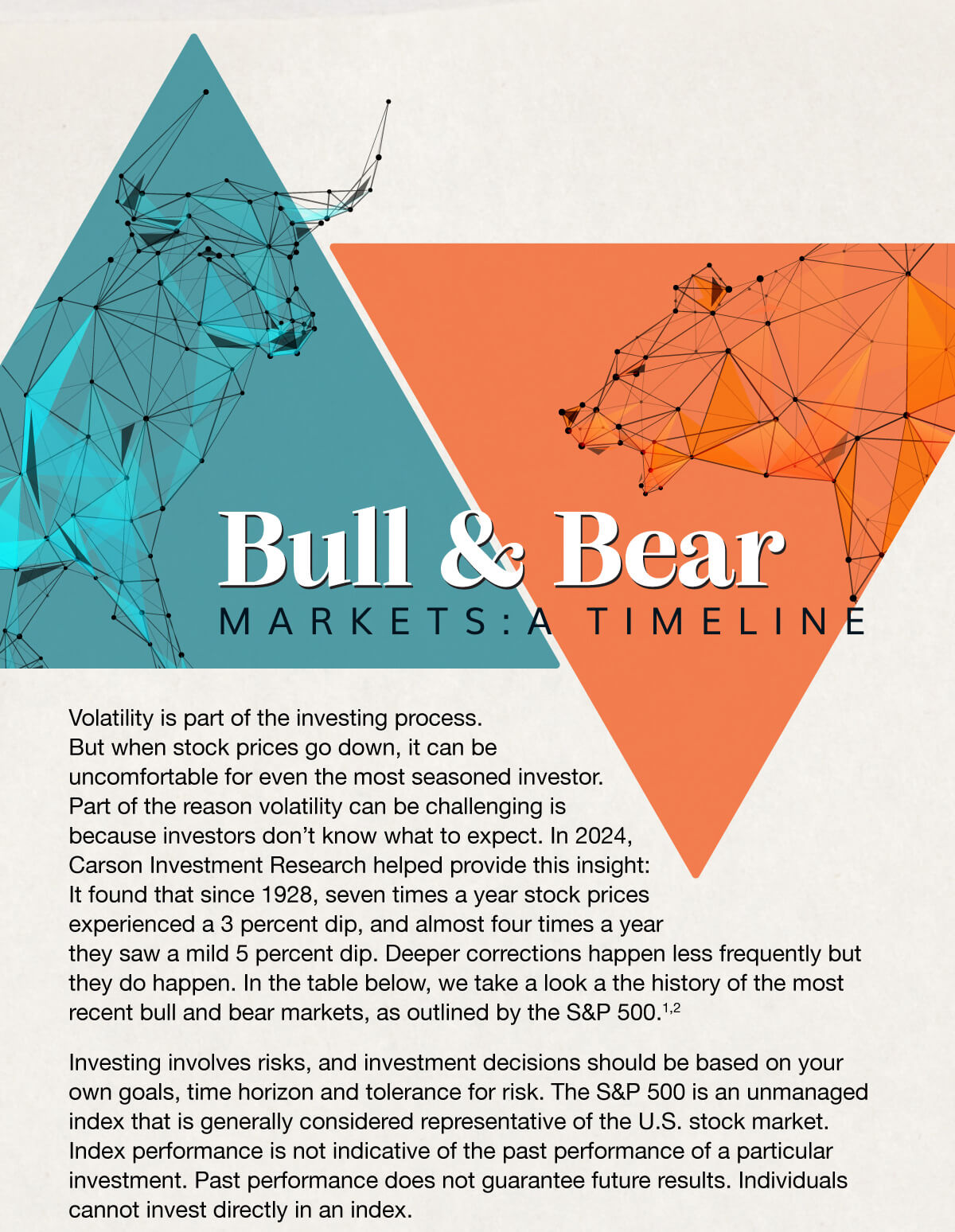
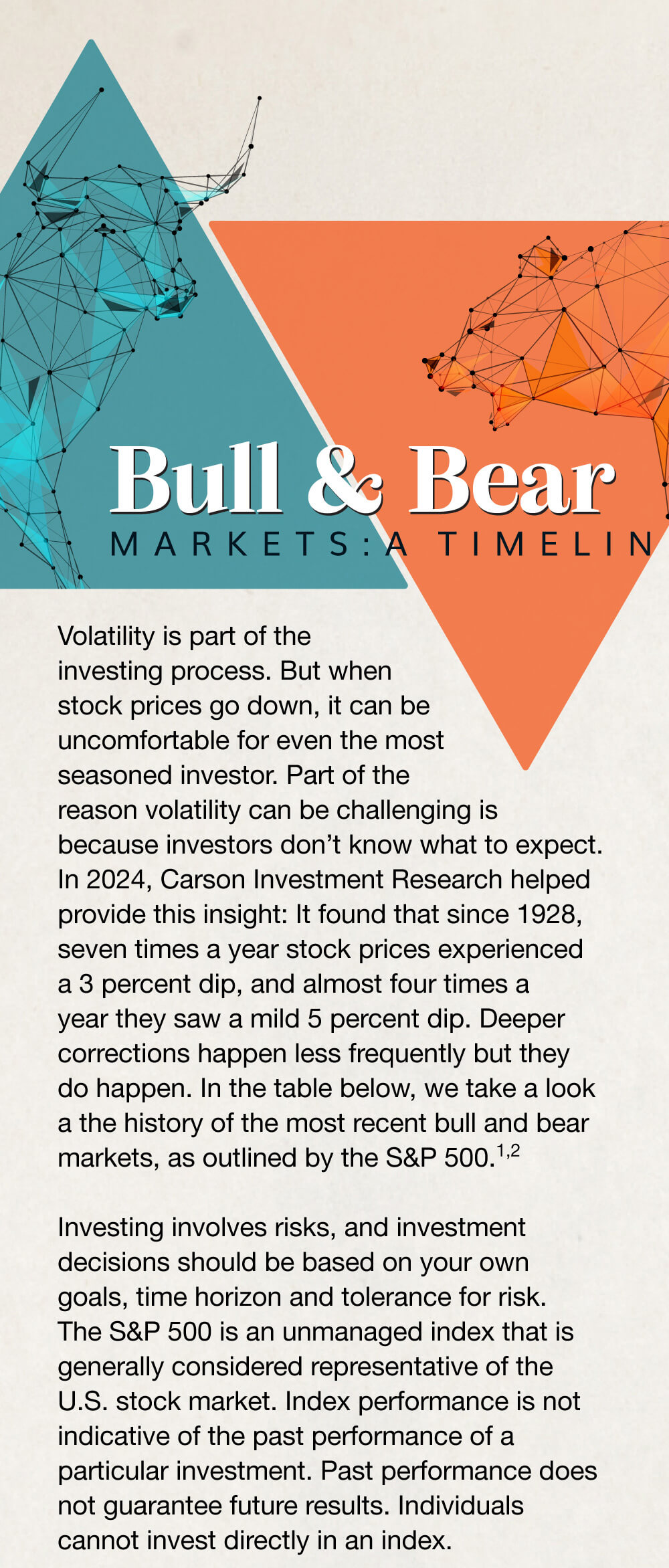
Bull & Bear Markets: A Timeline

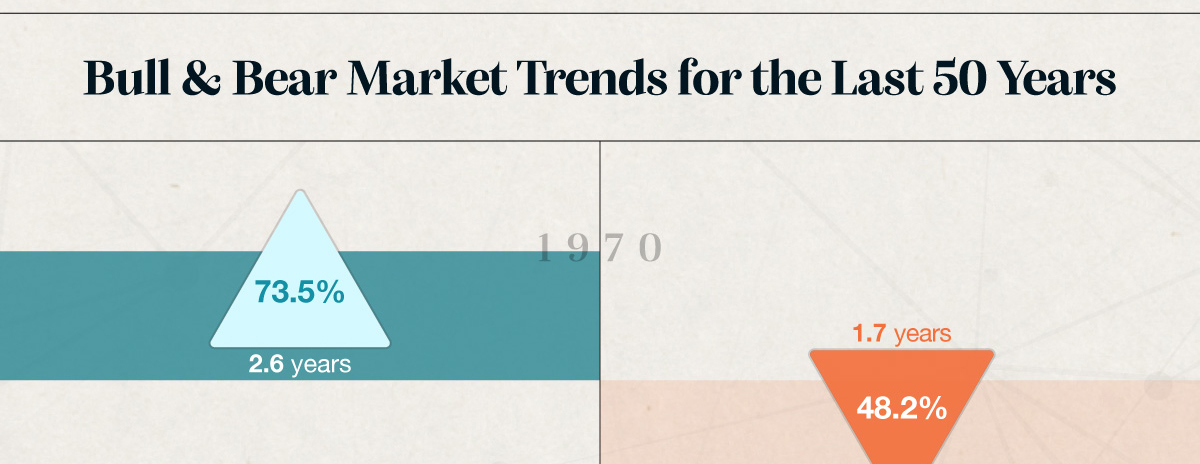
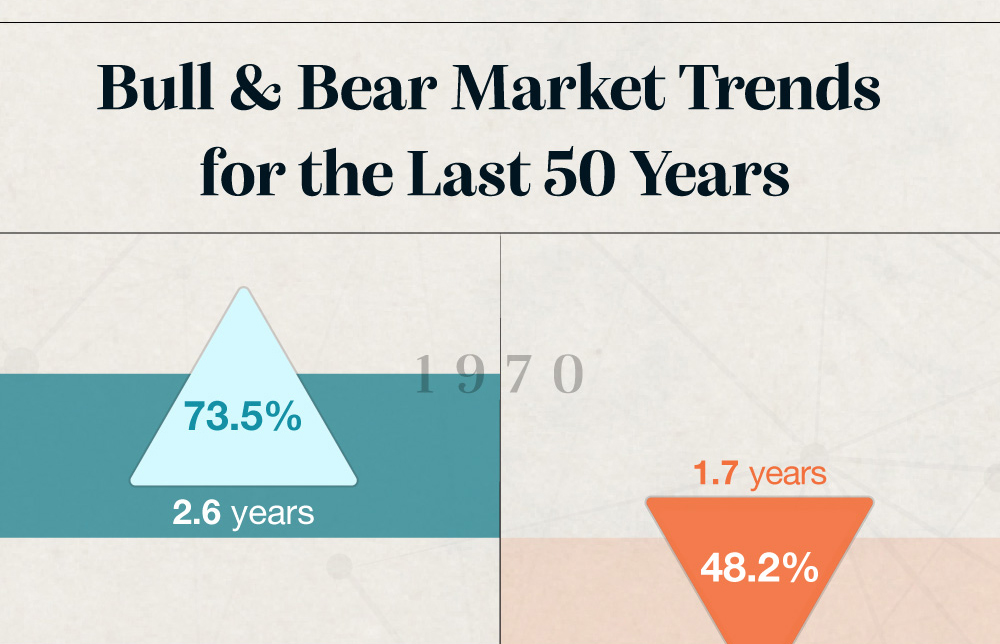
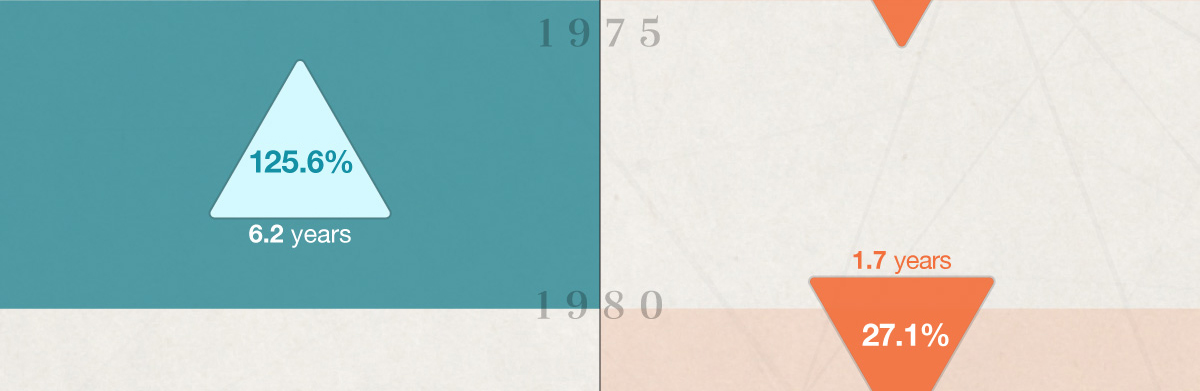
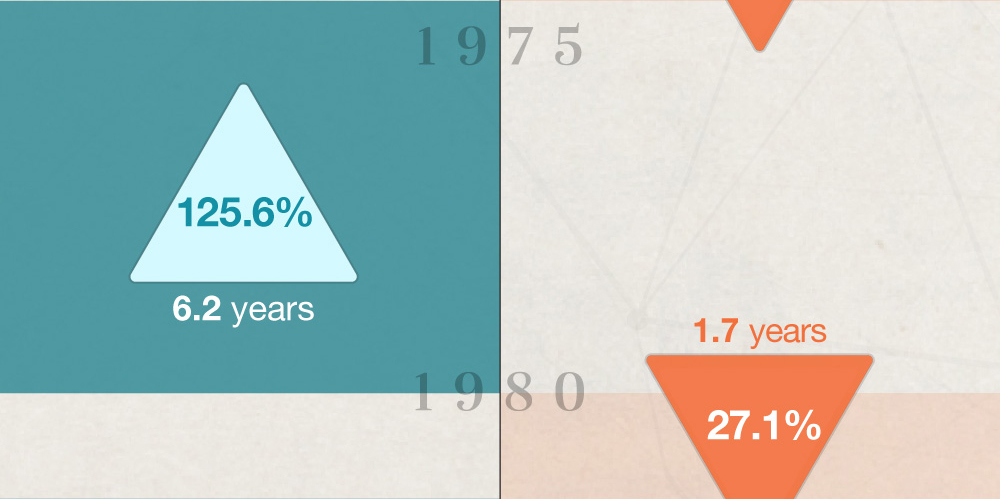
Investment
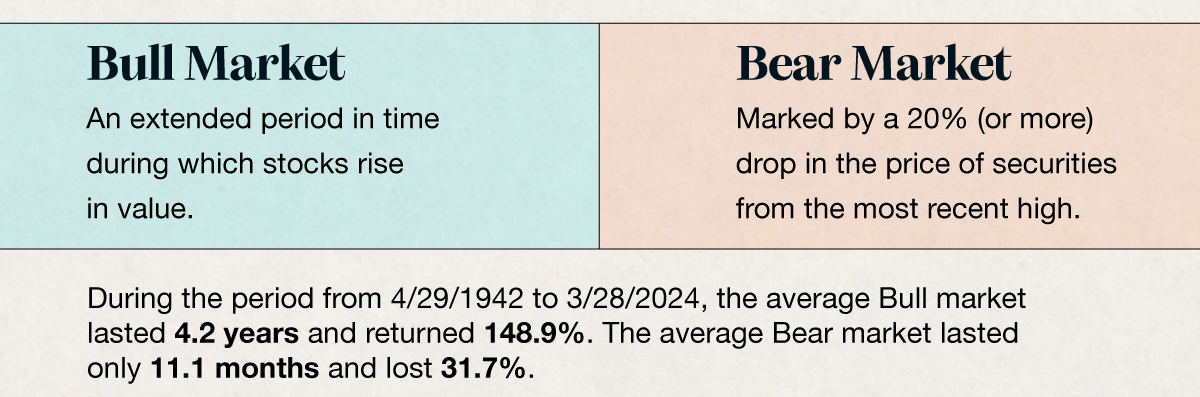
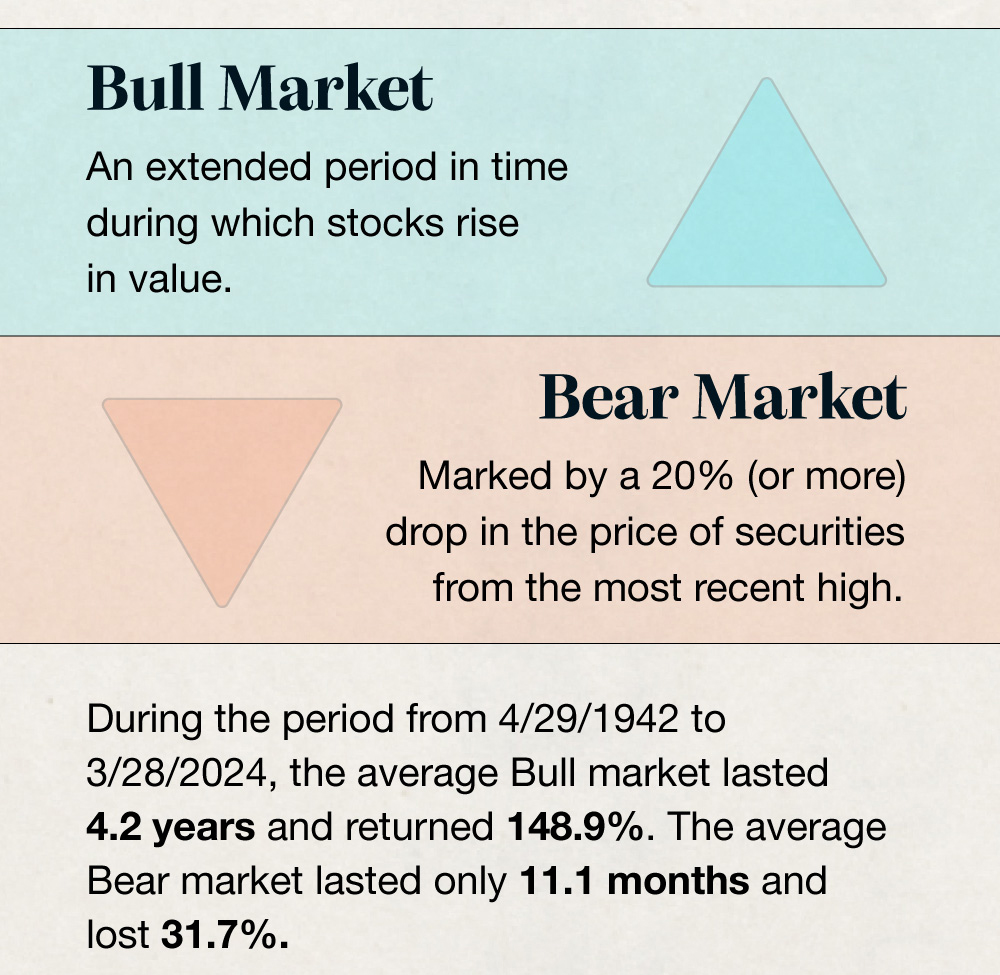
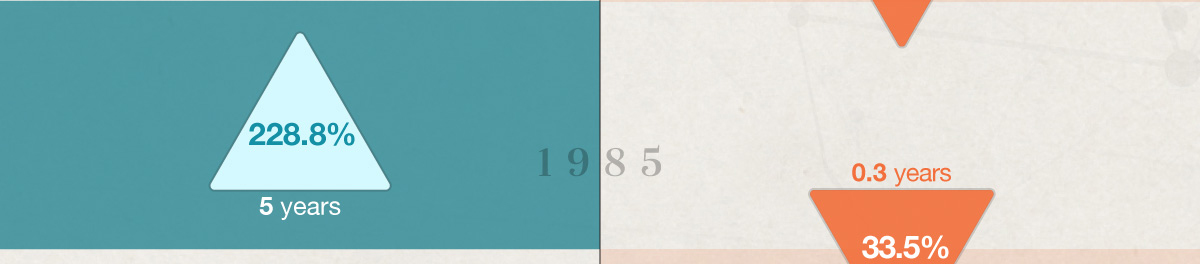
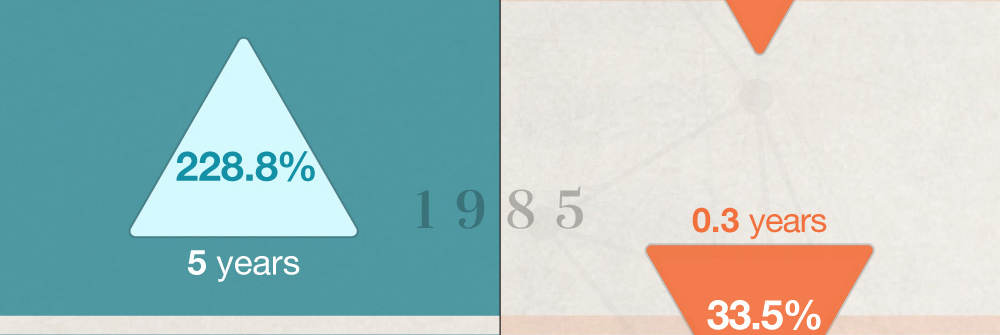
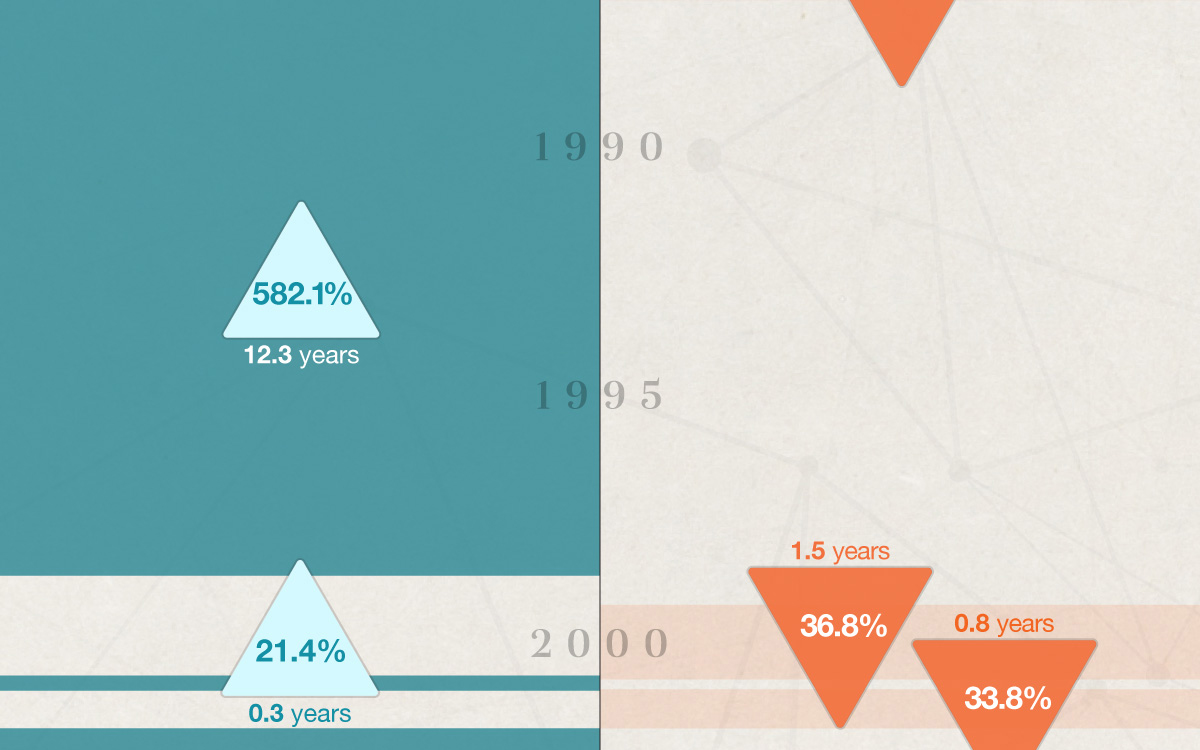
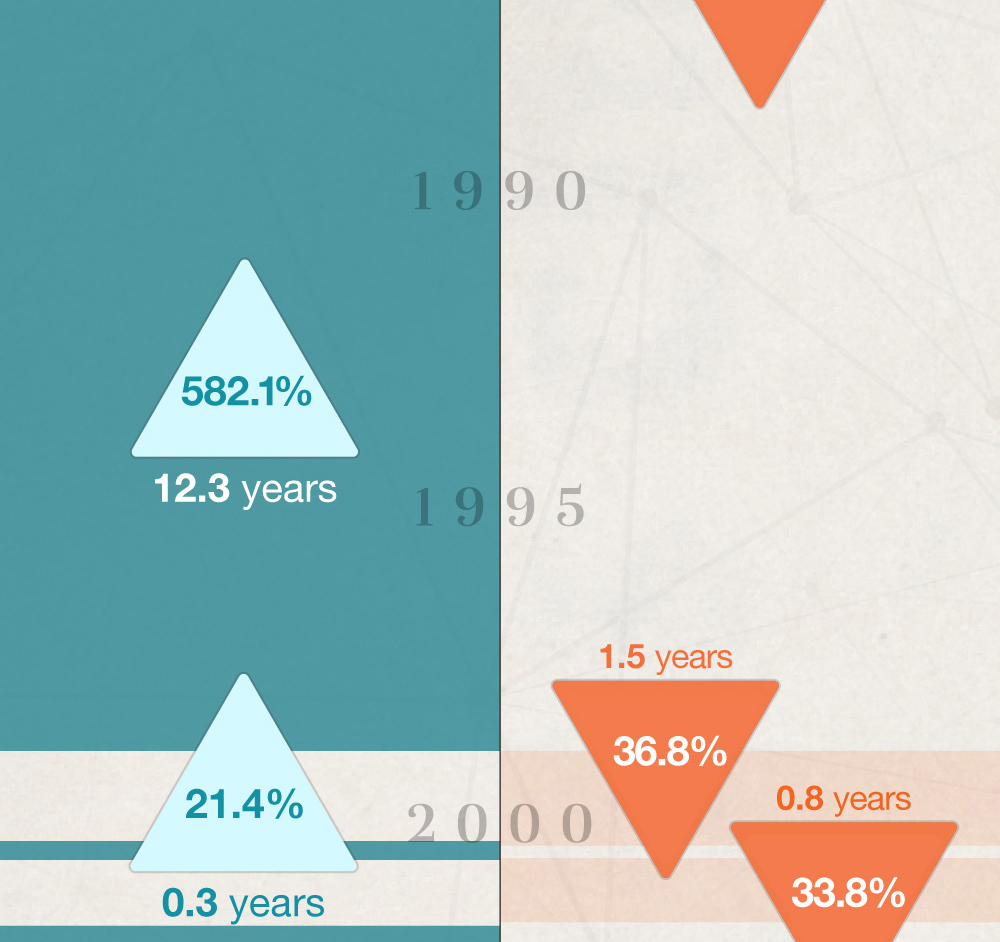
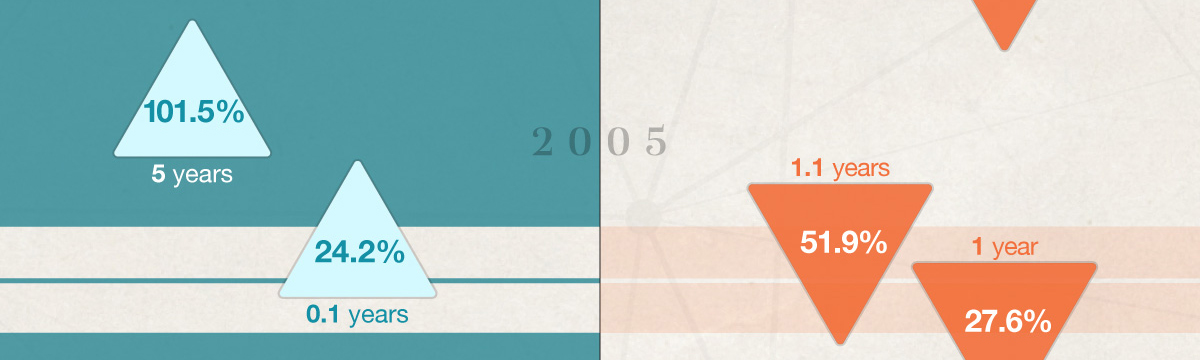
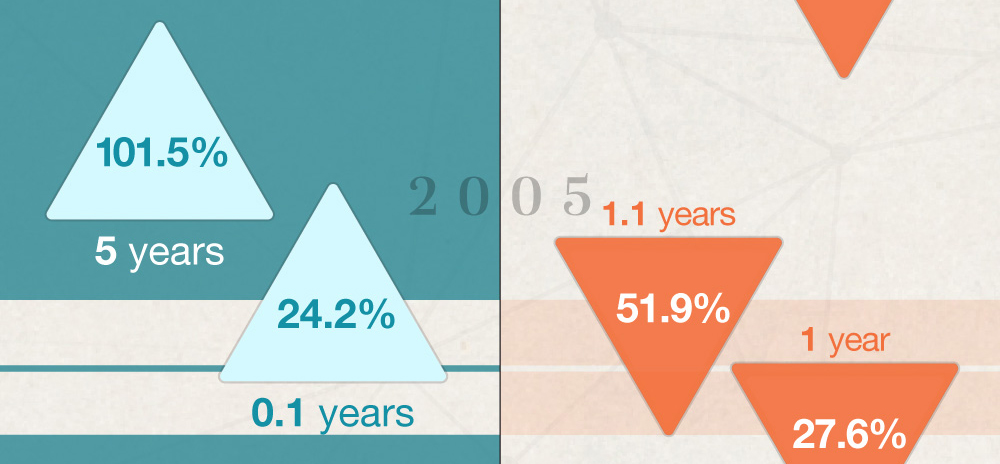
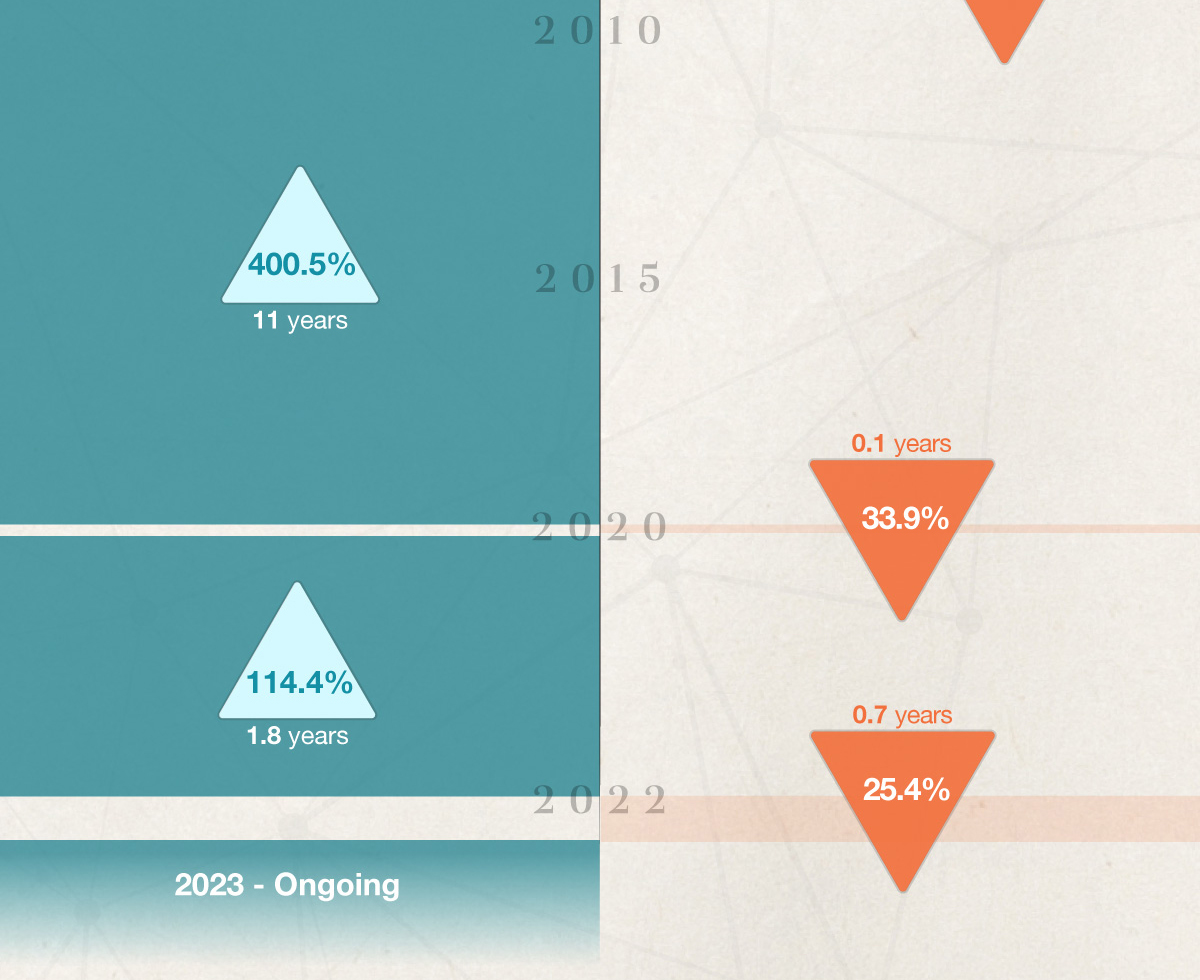
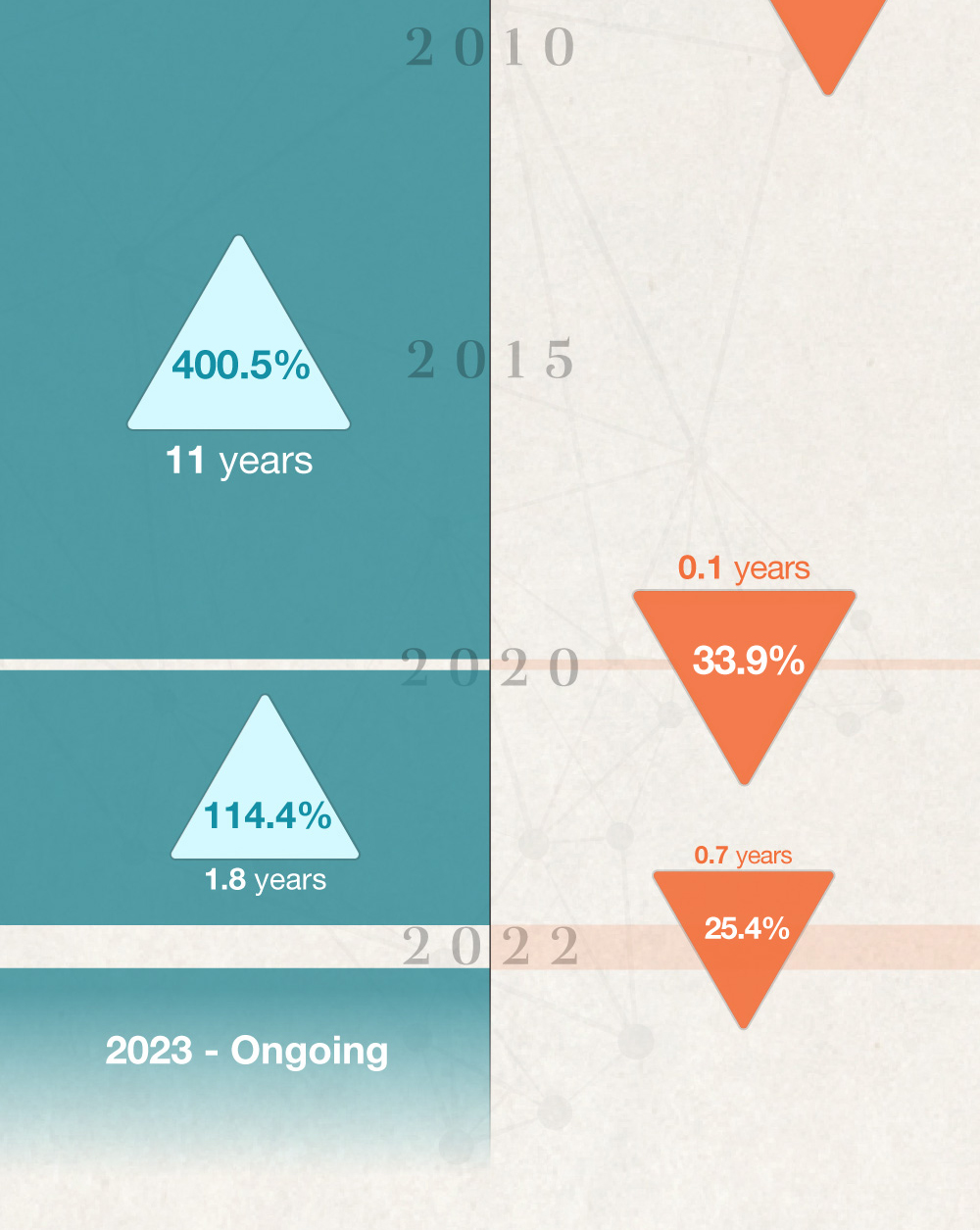
Bull & Bear Markets: A Timeline. Before 2020, the financial sector enjoyed one of the longest bull markets in history. Beginning in March 2009, the covid 19 pandemic ended this run in March 2020. However, recovery was swift, and a new bull market started in April that same year. As we face an uncertain road ahead, let's take a look at history's most recent bull and bear markets, as outlined by the S&P 500. Sources 1 and 2. Investing involves risks, and investment decisions should be based on your own goals, time horizon and tolerance for risk. The S&P 500 is an unmanaged index that is generally considered representative of the U.S. stock market. Index performance is not indicative of the past performance of a particular investment. Past performance does not guarantee future results. Individuals cannot invest directly in an index.Bull & Bear Markets: A Timeline. Before 2020, the financial sector enjoyed one of the longest bull markets in history. Beginning in March 2009, the covid 19 pandemic ended this run in March 2020. However, recovery was swift, and a new bull market started in April that same year. As we face an uncertain road ahead, let's take a look at history's most recent bull and bear markets, as outlined by the S&P 500. Sources 1 and 2. Investing involves risks, and investment decisions should be based on your own goals, time horizon and tolerance for risk. The S&P 500 is an unmanaged index that is generally considered representative of the U.S. stock market. Index performance is not indicative of the past performance of a particular investment. Past performance does not guarantee future results. Individuals cannot invest directly in an index.Bull Market: An extended period in time in which stocks rise in value. Bear Market: Marked by a 20% (or more) drop in the price of securities from the most recent high. The average Bull market lasted 52.8 months and returned 152.6 percent. The average Bear market lasted only 11.3 months and lost 32.1 percent.Bull Market: An extended period in time in which stocks rise in value. Bear Market: Marked by a 20% (or more) drop in the price of securities from the most recent high. The average Bull market lasted 52.8 months and returned 152.6 percent. The average Bear market lasted only 11.3 months and lost 32.1 percent.Bull & Bear Market Trends For the Last 50 Years. Starting in 1970, there was a 73.5 percent increase over the course of 2.6 years. Starting in 1973, there was a 48.2 percent decrease over the course of 1.7 years.Bull & Bear Market Trends For the Last 50 Years. Starting in 1970, there was a 73.5 percent increase over the course of 2.6 years. Starting in 1973, there was a 48.2 percent decrease over the course of 1.7 years.Starting in 1974, there was a 125.6 percent increase over the course of 6.2 years. Starting in 1980, there was a 27.1 percent decrease over the course of 1.7 years.Starting in 1974, there was a 125.6 percent increase over the course of 6.2 years. Starting in 1980, there was a 27.1 percent decrease over the course of 1.7 years.Starting in 1982, there was a 228.8 percent increase over the course of 5 years. Starting in 1987, there was a 33.5 percent decrease over the course of .3 years.Starting in 1982, there was a 228.8 percent increase over the course of 5 years. Starting in 1987, there was a 33.5 percent decrease over the course of .3 years.Starting in 1987, there was a 582.1 percent increase over the course of 12.3 years. Starting in 2000, there was a 36.8 percent decrease over the course of 1.5 years. Starting in 2001, there was a 21.4 percent increase over the course of .3 years. Later that same year, there was a 33.8 percent decrease over the course of .8 years.Starting in 1987, there was a 582.1 percent increase over the course of 12.3 years. Starting in 2000, there was a 36.8 percent decrease over the course of 1.5 years. Starting in 2001, there was a 21.4 percent increase over the course of .3 years. Later that same year, there was a 33.8 percent decrease over the course of .8 years.Starting in 2002, there was a 101.5 percent increase over the course of 5 years. Starting in 2007, there was a 51.9 percent decrease over the course of 1.1 years. Starting in 2008, there was a 24.2 percent increase over the course of .1 years. Later that same year, there was a 27.6 percent decrease over the course of 1 year.Starting in 2002, there was a 101.5 percent increase over the course of 5 years. Starting in 2007, there was a 51.9 percent decrease over the course of 1.1 years. Starting in 2008, there was a 24.2 percent increase over the course of .1 years. Later that same year, there was a 27.6 percent decrease over the course of 1 year.Starting in 2009, there was a 400.5 percent increase over the course of 11 years. Starting in 2020, there was a 33.9 percent decrease over the course of .1 years. There’s been an ongoing increase since 2020.Starting in 2009, there was a 400.5 percent increase over the course of 11 years. Starting in 2020, there was a 33.9 percent decrease over the course of .1 years. There’s been an ongoing increase since 2020.Source 1: CaptiveInternational.com, 2021. Source 2: Yardeni.com, 2022. The content is developed from sources believed to be providing accurate information. The information in this material is not intended as tax or legal advice. It may not be used for the purpose of avoiding any federal tax penalties. Please consult legal or tax professionals for specific information regarding your individual situation. This material was developed and produced by FMG Suite to provide information on a topic that may be of interest. FMG, LLC, is not affiliated with the named broker-dealer, state- or SEC-registered investment advisory firm. The opinions expressed and material provided are for general information, and should not be considered a solicitation for the purchase or sale of any security.Source 1: CaptiveInternational.com, 2021. Source 2: Yardeni.com, 2022. The content is developed from sources believed to be providing accurate information. The information in this material is not intended as tax or legal advice. It may not be used for the purpose of avoiding any federal tax penalties. Please consult legal or tax professionals for specific information regarding your individual situation. This material was developed and produced by FMG Suite to provide information on a topic that may be of interest. FMG, LLC, is not affiliated with the named broker-dealer, state- or SEC-registered investment advisory firm. The opinions expressed and material provided are for general information, and should not be considered a solicitation for the purchase or sale of any security.

No pressure, no jargon, just a real conversation about what matters to you.